Internationalization and Digitalization of Graduate Training and Research: Highlights from Work Package 2 Benchmarking Visit
The Internationalization and Digitalization of Graduate Training and Research for the Attainment of African Regional and Global Development (DigiGrad) project seeks to reshape higher education and research in Africa by leveraging digital technologies and fostering international collaborations. Work Package 2 (WP2) of this initiative focuses on Capacity Building for Digitalization and Internationalization, pivotal goals for achieving sustainable regional and global development.
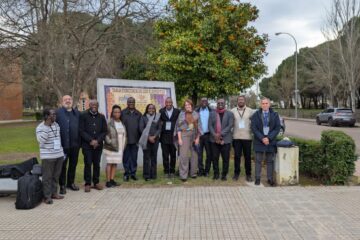
As part of WP2 activities, representatives from African and European partner institutions participated in a benchmarking visit hosted by Maastricht University, Netherlands, in October 2023. The visit provided a platform for peer learning, knowledge exchange, and the development of strategies to enhance graduate education and research across continents.
Participants and Partners
African Partner Institutions:
The delegation included representatives from:
- Burundi,
- Ghana,
- Kenya, and
- South Sudan.
European Host Institutions:
The benchmarking activities were facilitated by:
- University of Maastricht (Netherlands),
- University College Leuven Limburg (UCLL, Belgium),
- Extra Madura (Spain), and
- Sapienza University (Italy).
Coordinators:
The event was expertly organized by Karin Hindrix (UCLL, Belgium), with key contributions from Deelman and Hans (University of Maastricht).
Key Activities
The three-day visit at Maastricht University was structured to provide both theoretical insights and practical experiences in digitalization and internationalization. The program featured:
- Benchmarking Presentations:
Experts from the host institutions shared best practices in integrating digital tools and fostering international partnerships to strengthen graduate training and research programs. - Interactive Workshops:
Delegates participated in hands-on sessions focusing on implementing digital learning platforms, managing virtual exchange programs, and utilizing digital tools for research collaboration. - Networking and Collaboration:
The visit served as a melting pot for ideas, where African and European participants identified synergies and explored potential joint projects. - Site Visits:
Tours of Maastricht University’s state-of-the-art facilities highlighted how advanced infrastructure supports academic innovation and research.
Outcomes
The visit yielded significant takeaways for all participating institutions:
- Enhanced Understanding: African institutions gained insights into implementing effective digital and internationalization strategies.
- Capacity Building: Participants acquired practical knowledge that can be tailored to local contexts, particularly for institutions in Africa.
- Strengthened Networks: Partnerships between African and European universities were solidified, laying the groundwork for long-term collaborations.
- Roadmaps for Change: Actionable frameworks for advancing digitalization and internationalization were developed, ensuring alignment with institutional and regional goals.
Looking Ahead
The DigiGrad project continues to champion transformative education and research practices across continents. Work Package 2 exemplifies how international collaboration can catalyze progress in higher education, equipping institutions with the tools to address regional and global challenges.
This benchmarking visit not only showcased the potential of digital technologies in graduate training but also emphasized the importance of cross-cultural learning in shaping the future of education and research.
African partner institutions are now poised to integrate these lessons into their systems, creating ripple effects that will benefit students, researchers, and society at large.
For more information about the DigiGrad project and its initiatives, stay tuned for updates on upcoming activities and achievements in other work packages.


0 Comments