October 9, 2024 | AH Hotel, Accra, Ghana
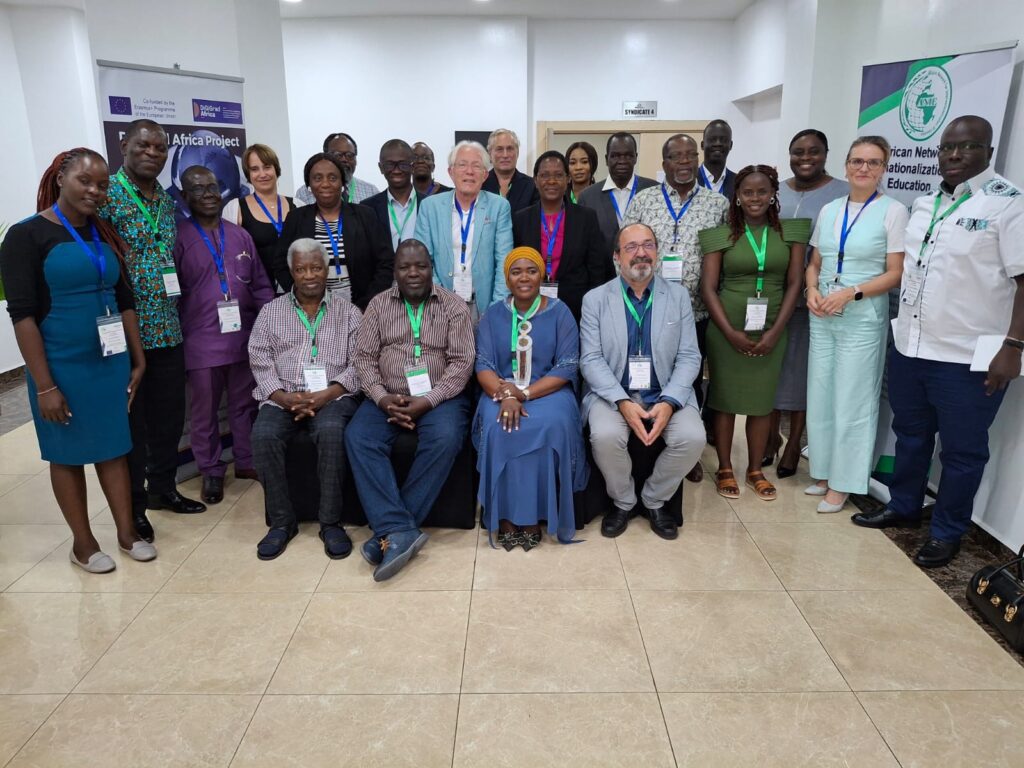
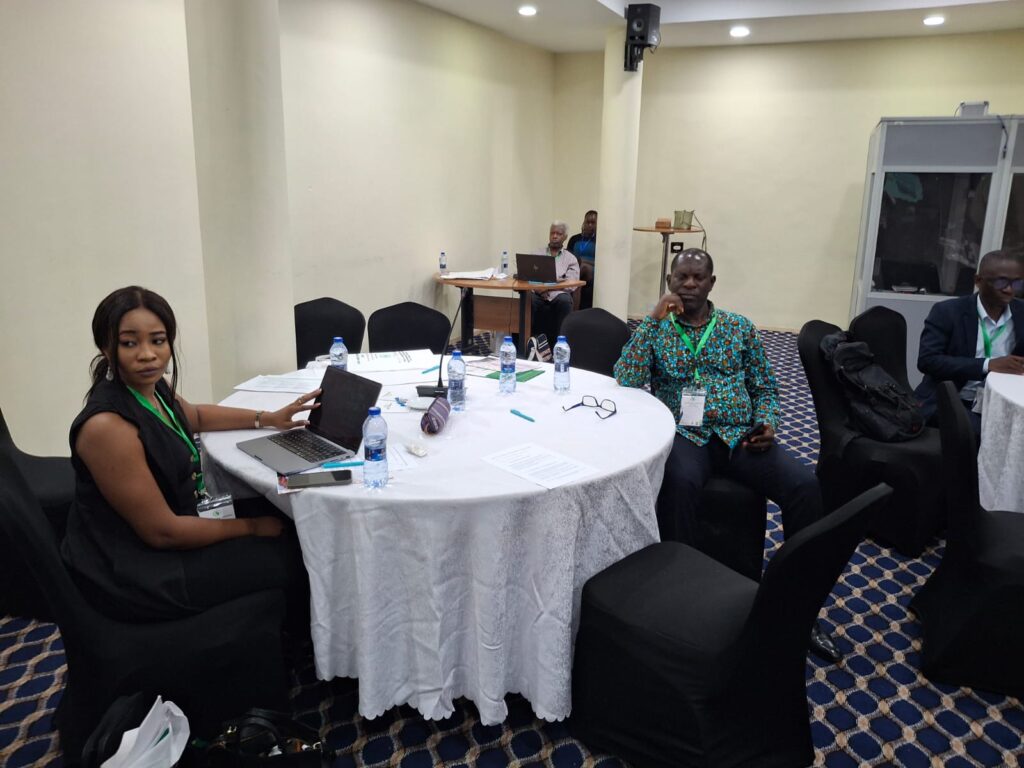
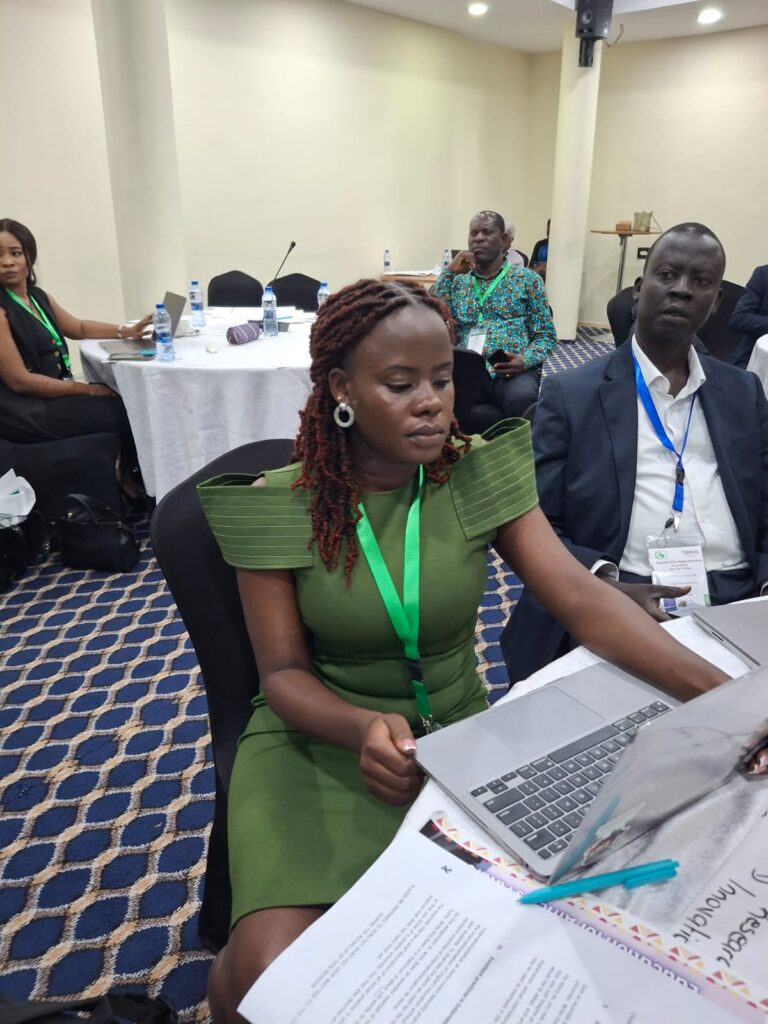
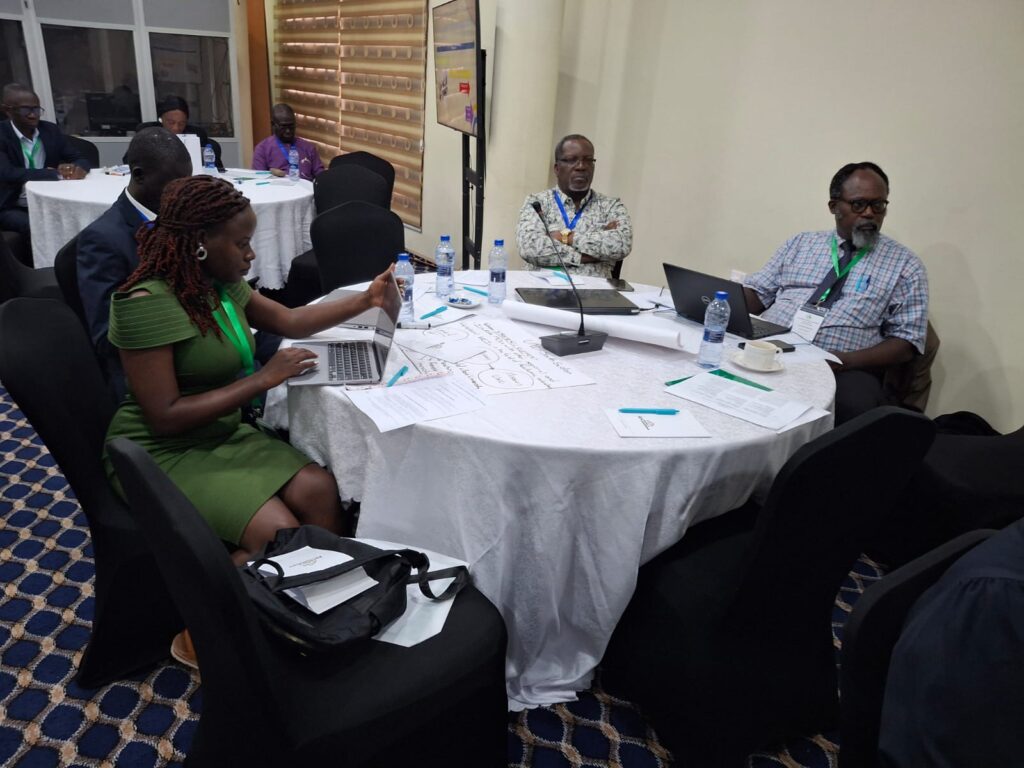
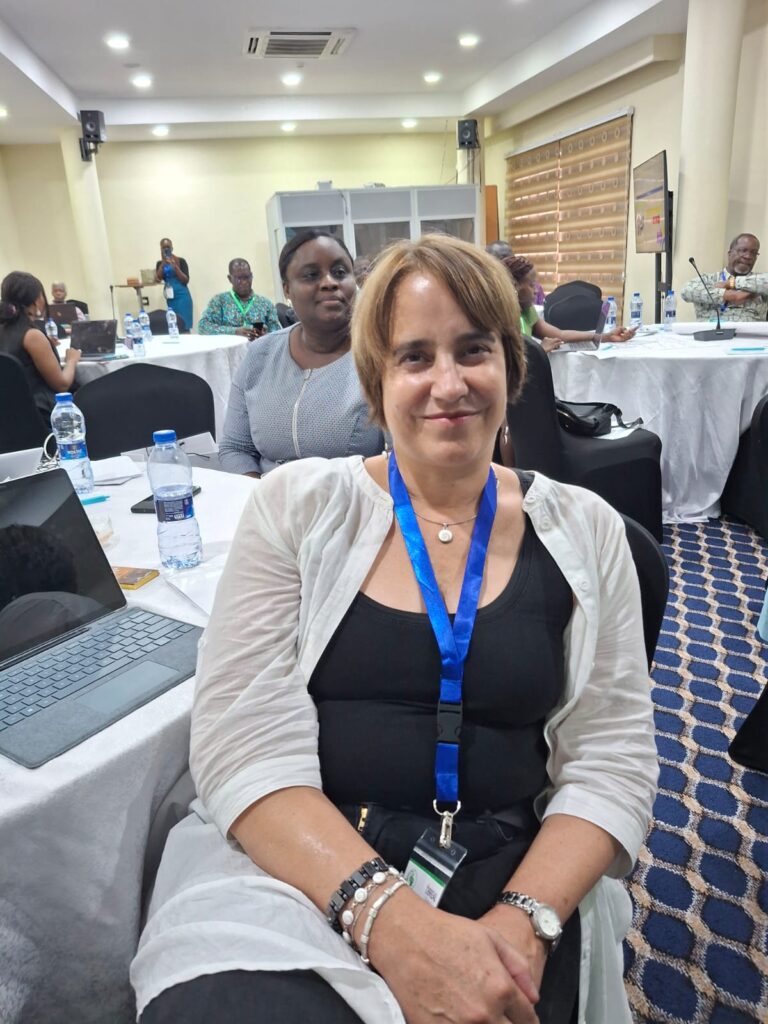
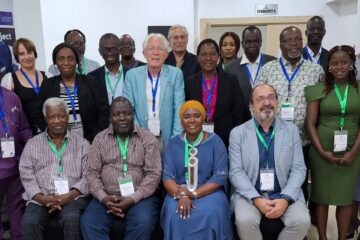
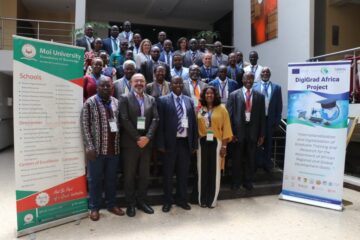
Educators, researchers, and institutional leaders from across Africa gathered at the 14th Annual ANIE Conference for the DigiGrad Project Workshop, focusing on advancing internationalization and digital transformation in African higher education.
Setting the Vision
Prof. Goski Alabi, Chairperson of the ANIE Board, opened with a clear message: African universities must integrate internationalization and digital strategies to become global education leaders. “This is about positioning African universities as global leaders in education,” she emphasized.
Project Progress and Impact
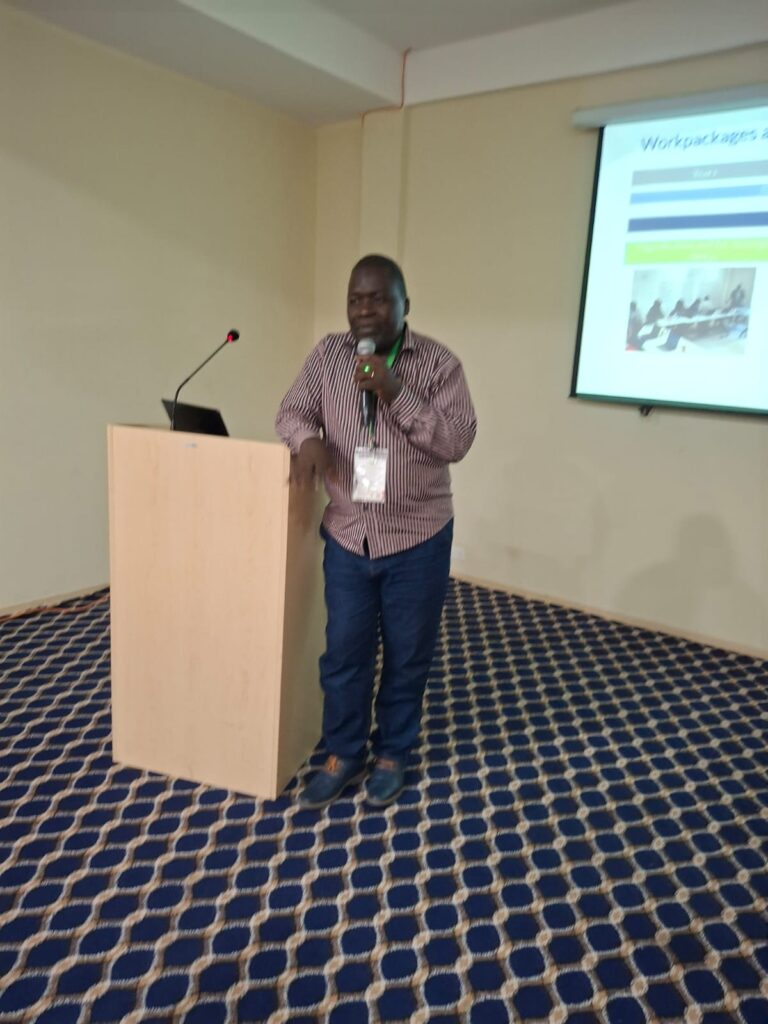
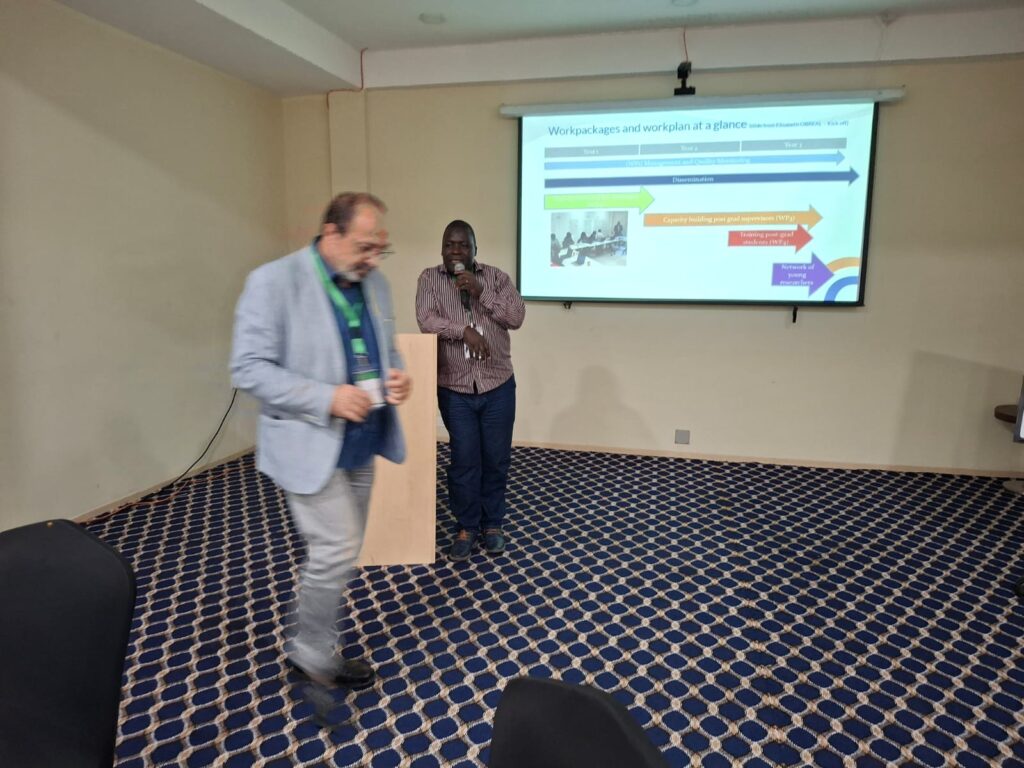
Dr. James Otieno Jowi presented updates on Work Package 2 (WP2), highlighting the development of digital strategies tailored specifically for African universities. These context-aware solutions address local challenges while fostering global partnerships, marking a shift from passive recipients to active architects of digital transformation.
Institutional Experiences
Representatives from Upper Nile University, Africa Nazarene University, and the University of Cape Coast shared their internationalization journeys, revealing key insights:
- Resource constraints have sparked innovative solutions adaptable across institutions
- Digital transformation strategies honor local contexts while meeting international standards
- Partnership building yields tangible results in mobility, research, and staff exchanges
Innovative Approaches
The workshop showcased several groundbreaking models:
CARTA at Moi University: Demonstrates how international research training standards can be achieved locally through strategic partnerships, proving internationalization can be both locally rooted and globally connected.
Gulu University’s Pandemic Response: COVID-19 accelerated technology adoption, enabling more students and academics to participate internationally while remaining at home institutions.
Upper Nile University’s Evolution: Shows how institutions can transition from program recipients to active internationalization partners.
From Strategy to Action
Facilitated sessions by Dr. Mindel (University of Maastricht) and Karine Kindrix (UC Leuven-Limburg) produced concrete action plans:
- Strategic partnerships through MOUs for research collaboration
- Staff capacity building in internationalization and digitalization
- Student digital competence development
- Curriculum internationalization for stronger graduate programs
- Cultural exchange programs for marketing and research collaboration
The Living Handbook
Han Aart presented The African Handbook on Internationalization—a dynamic, virtual resource available at digigradafrica.anienetwork.org. Unlike static publications, this handbook evolves through community contributions while maintaining academic rigor, embodying African solutions for African challenges with global relevance.
Mobility as Strategy
Jaume Fortuny outlined two key mobility pathways:
EU-Africa Connections: Erasmus+ Key Action 1 provides global opportunities enhancing employability and innovation.
Intra-Africa Collaboration: The Intra-Africa Academic Mobility Scheme supports continental capacity building and knowledge exchange.
These programs serve as strategic tools for institutional transformation and continental development.
The Path Forward
The workshop concluded with a clear call to action: African universities must actively participate in mobility programs, align mobility with digitalization efforts, and engage collaboratively within Africa and internationally.
African higher education stands at a crossroads of unprecedented opportunity. The convergence of digital technology, strategic partnerships, and innovative internationalization approaches creates possibilities for global impact while strengthening African identity through global engagement.
0 Comments